
Wunder Mobility changelog
Release 20-2026 - Predictive Station Capacity & Free Minutes
Highlights
Predictive station capacity for A-to-B networks: The booking planner now models where every vehicle will be across stations over time, not just where it is right now. When a vehicle is booked from station A to station B, station A's future availability reflects the departure and station B's future capacity already includes the incoming vehicle, the moment the booking is confirmed. The next rider can book that car at station B before it physically arrives, unlocking availability slots that were previously closed off whenever a vehicle was in transit or scheduled to move. Operators can tune this per station using operational lead time controls, opening up future availability slots between bookings without overloading station capacity, and giving them direct control to balance utilization against operational load as demand shifts.
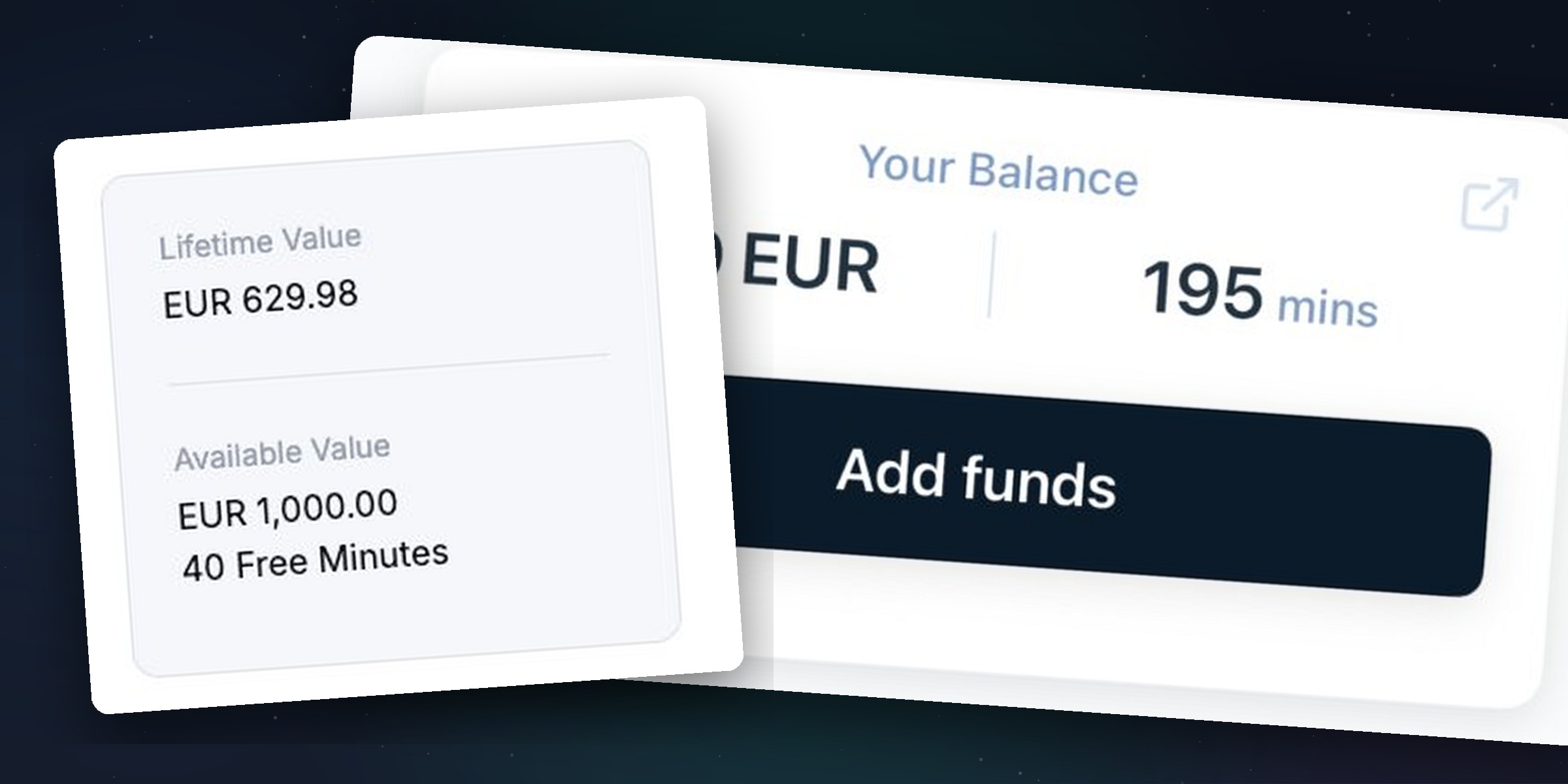
Free Minutes Visibility on Mobile and GoDash: Free Minute wallet balances are now visible to riders in the mobile app and to operators in the Dashboard. Riders see what they have left at a glance, and operators see the total remaining minutes directly in the user side panel. The mobile app still defaults to showing a monetary wallet balance, adding on Free Minutes if the balance is non-zero.
Mobile App
Requires the latest app version. Contact your Customer Success Manager for details.
General
Free Minute balance visible in the rider app: Riders on operators that use Free Minutes now see their remaining Free Minute balance directly in the mobile app.
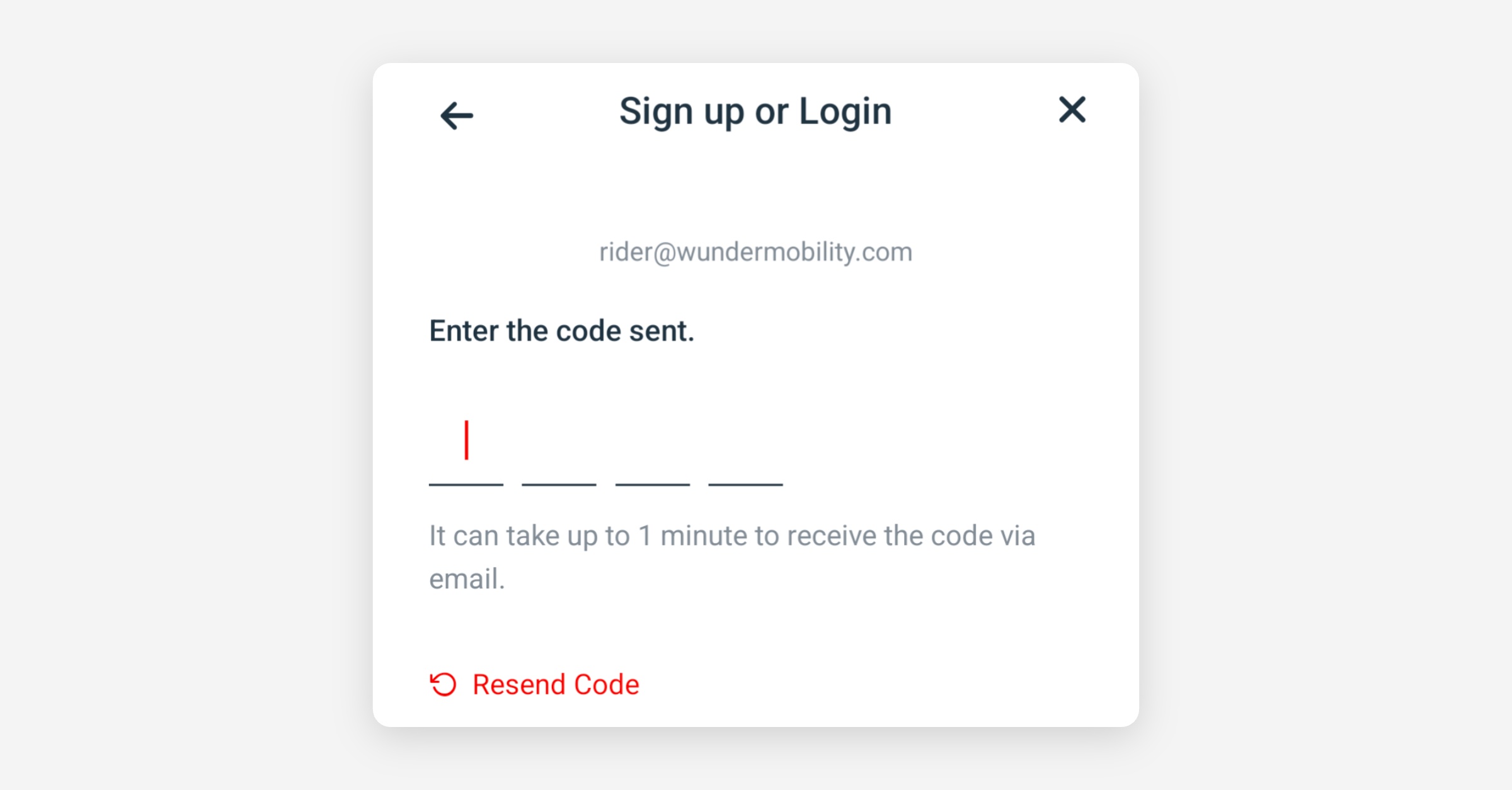
Correct your email or phone during sign-up before continuing: New riders signing up with a code by email or SMS can now review what they entered on the OTP screen. Resolves a long-standing point of friction during login which required navigating back to check the email that was entered.
Apple Pay sign-up flow runs through to completion: Riders adding Apple Pay during sign-up are no longer bounced back into the payment-method step due to a call-back race condition. The app waits for confirmation from the PSP before returning the user to the registration to ensure the payment method is registered properly.
iOS riders no longer logged out unexpectedly: Resolved an issue on iOS where riders could be silently logged out and forced to sign in again. Login sessions now persist reliably across app launches.
Marketing consent editable in the user app: Resolved a bug where riders could not change their marketing consent setting from inside the app. The toggle now saves correctly, so marketing preferences are honored without operator intervention.
Push notification content preserved on iOS cold start: Push notifications now retain their full content (deep links, personalized text) when iOS opens the app from a cold state, so tapping a notification takes riders to the right place even after the app has been closed and killed.
Consistent currency formatting on the new Subscriptions screen: Currency values on the Subscriptions screen now use consistent formatting across the page, removing the visual inconsistency riders saw when browsing or switching subscription tiers.
On-Demand
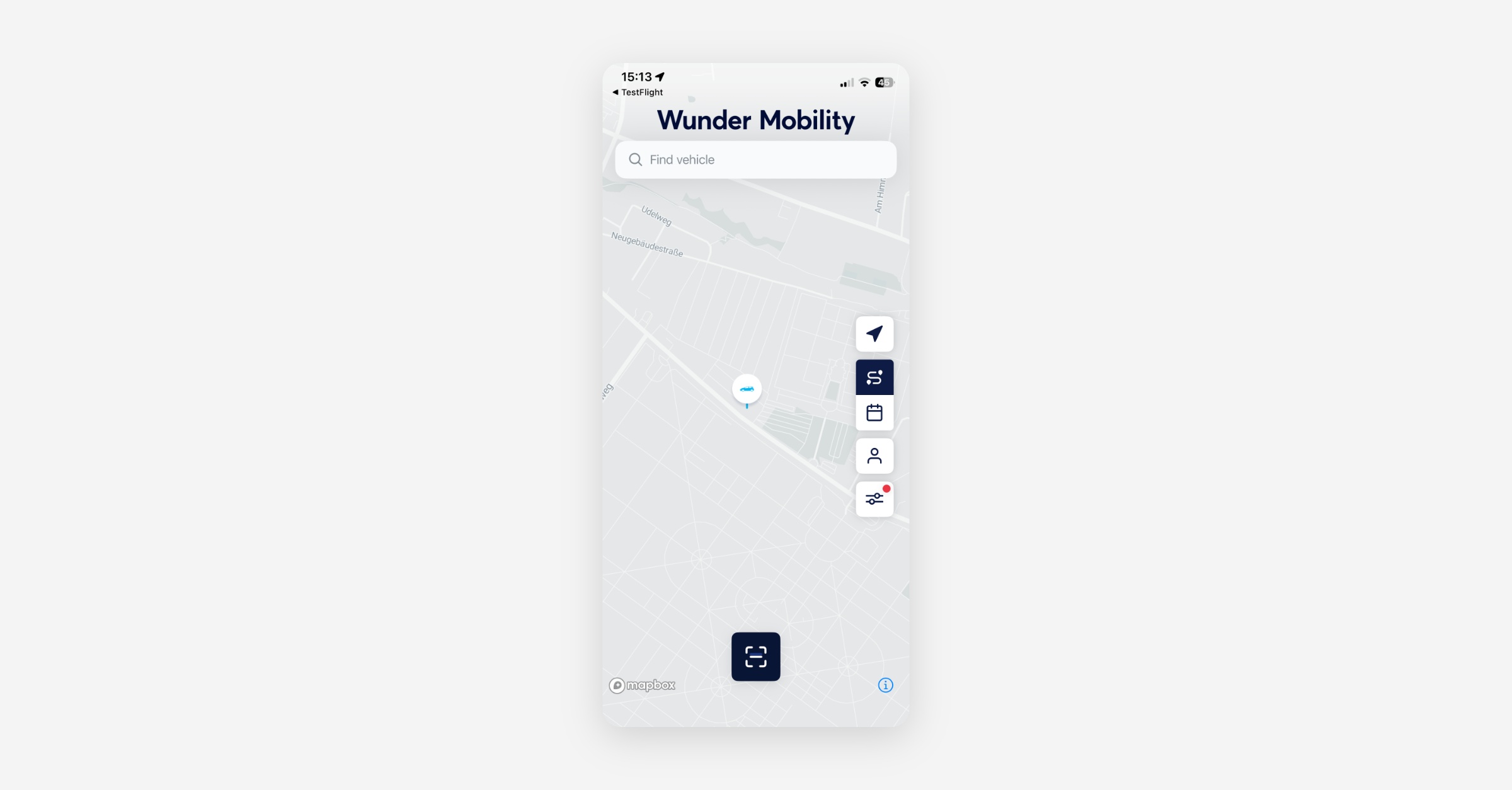
Map filter button hidden during an active rental: The filter button in the on-demand map view is now hidden while a rental is in progress, reducing on-screen clutter during the trip and matching the simplified active-rental UI.
Point-of-interest search uses the device's primary language: Search results for points of interest now respect the device's primary language setting, so riders see locally relevant places in the language they're using rather than mixed-language results.
Category filter shows active state more clearly: The category filter in the on-demand vehicle list has a clearer active-state indicator and improved defaults, helping riders see at a glance which category they have selected.
New Dashboard
General
Free Minute balance visible in the user side panel: Operators handling Free Minute support can now see a customer's total remaining free minutes directly in the user side panel, alongside lifetime value and current voucher value.
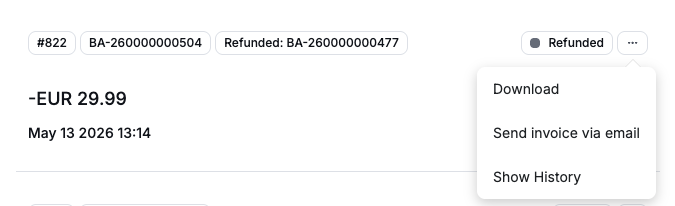
Refunded invoice number shown in the user invoice panel: Refund entries in the user invoice panel now display the number of the original invoice they refer to, removing the need for manual cross-reference. The refund panel can be opened directly via “Show History” to see the original invoice and other related refunds.
Code field on Promotion creation: Operators can now set the Code directly when creating a Promotion, re-enabling the creation of customized promotion codes.
Admin user names now editable for affected tenants: Resolved a bug where certain admins could not change a user's name from the Dashboard. Admins can now update user names directly, restoring a basic support capability.
Removing a vehicle tag no longer clears hidden tags: Resolved a bug where removing a single vehicle tag in the Dashboard also cleared existing tags attached to that vehicle, disrupting tag-driven service workflows.
Task templates correctly apply their category: Resolved a bug where task templates did not apply the configured task category when used, forcing operators to set the category manually each time.
Clearing Vehicle Categories on a voucher now applies it to all categories: Operators clearing the Vehicle Categories field on a voucherable can now reliably remove the category restriction. Previously, clearing the field was silently treated as "applies to no categories", preventing the voucher from being used at all.
Rating comments included in the rentals export: The exported rentals table now includes the rating comment text alongside the numeric rating, so operators can triage low-rated trips and read rider feedback in one pass without an extra dashboard lookup.
Platform
General
City-level user segmentation in marketing campaigns: Each user's address details (street, zip code, city, country) are now synced to the marketing platform (Braze) on user update. Operators can target marketing by city — even users who have not yet completed a rental — which was previously impossible because location context was only available after a first rental.
End-of-day and end-of-week voucher validity restored: Restored support for voucherables that are valid until the end of the day, hour, or week in which they were created. This option was inadvertently removed during the multi-benefit rework and has been re-enabled.
Accurate per-voucher amounts on invoice breakdowns: When a rental has multiple vouchers from the same promotion applied to it (e.g., several charging vouchers), the invoice line items now show the correct individual rebate per voucher rather than the aggregated total on every line. The invoice total was always correct; this fixes the per-line detail.
Faster default billing cycle: The system now checks for finished rentals at a higher frequency by default, reducing situations where users could start a follow-up rental within seconds to bypass a possible failed payment.
INVERS smoke event integration: The platform can now receive smoke detection events from INVERS-connected vehicles. This is a stepping stone: it enables future work to trigger and handle follow-up actions when a smoke event is received. No operator-facing behavior changes yet.
API
General
Future destination station capacity forecast in availability: When an A-to-B booking exists, the destination station's forecasted available capacity now includes the in-transit vehicle. Integration partners and the app can show - and let users book - capacity at the destination station before the vehicle physically arrives.
Availability endpoints updated to support A-to-B bookings: The
/availability,/available-categories, and/available-stationsendpoints have been updated to integrate with the upcoming V2 availability layer. Contracts remain unchanged. Once V2 is enabled, results will account for vehicles in transit, A-to-B bookings, and trip chaining across stations. Only relevant for booking operators supporting A-to-B bookings.Free Minute fields exposed in
/frontvoucher endpoints: Voucher responses on the/front/vouchersendpoints now includefreeMinutes(originally granted) andremainingFreeMinutes(currently available) when the underlying voucher hasmonetary=false. Integrators can show Free Minute balances directly without a secondary lookup.remainingMinutesValueavailable on/backcustomer detail: The/back/customers/{id}/detailsendpoint now returnsremainingMinutesValueon the user statistics object, supporting Free Minute display in operator-facing surfaces.
Data / BI
General
Availability % aligned with Utilization %: Availability % is now calculated as a time-based metric, matching the Utilization % calculation. Operators can read the two metrics side-by-side without applying mental adjustments for definitional differences.
Active vehicle count and Revenue per Vehicle denominator corrected: Resolved an accuracy issue in the active vehicle count and the Revenue per Vehicle denominator on the Fleet Health dashboard. The numbers now match operator expectations and tie out against source data.